
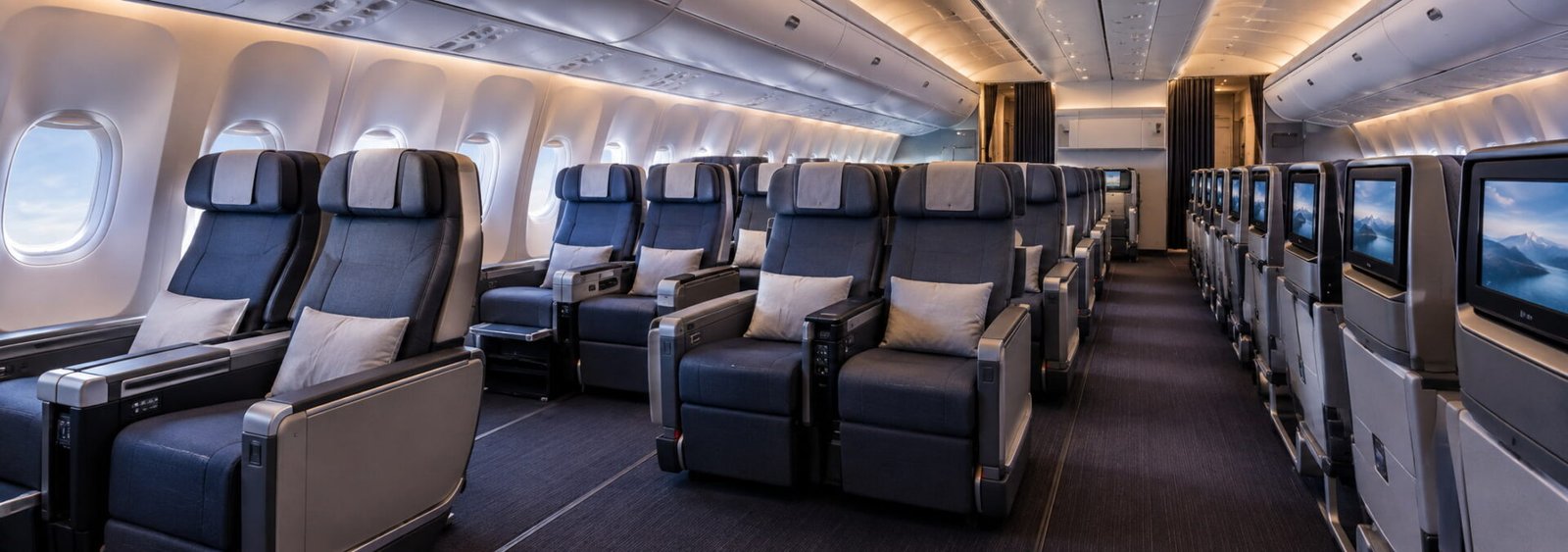

Quick answer: Cathay Pacific’s Premium Economy is genuinely worth it on long-haul flights of 8+ hours, where the extra legroom, wider seat, and better dining make a real difference. On short regional hops, you likely won’t use enough of what you’re paying for. One thing to know upfront: it doesn’t include lounge access, which surprises a lot of first-time buyers.
Cathay Pacific’s Premium Economy isn’t just a slightly nicer Economy seat. Between the seating, dining, and priority services, it feels like a genuine step up, and the airline has clearly invested in making it a real third cabin rather than an afterthought.
What You’re Actually Sitting In
Cathay Pacific runs Premium Economy across two main aircraft types, and the experience differs noticeably between them, as described on Cathay Pacific’s own Premium Economy page.
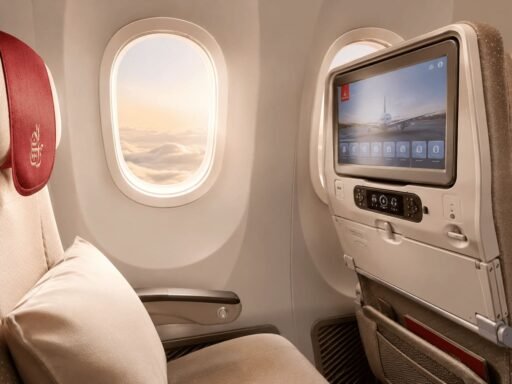
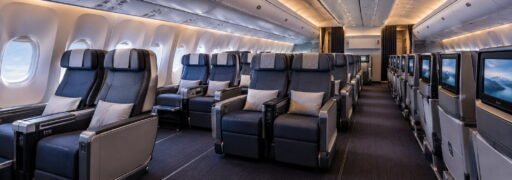
On the Airbus A350-900/1000, you’re looking at roughly 19.5 inches of width, 38-40 inches of pitch, and up to 8 inches of recline, in a 2-4-2 layout with a 6-way adjustable headrest and a 12.1-inch HD touchscreen.
On the newer Boeing 777-300ER Aria cabin, Cathay built the Premium Economy section from the ground up rather than just tweaking the existing one. This version has 48 seats across 6 rows (rows 30-35) in the same 2-4-2 layout, but with a larger 15.6-inch 4K touchscreen with Bluetooth audio pairing, leather headrests with privacy wings, leather-padded footrests, and two dedicated Premium Economy lavatories where you can actually check occupancy from your seat via the entertainment screen.
The retrofitted 777 started flying in late 2024 and has been rolling out to more routes since, including long-haul destinations like London. Cathay has said it plans to bring this cabin to the rest of its 777 fleet over the next couple of years, though exact timing by route can shift, so confirm it directly for your specific flight.
When It’s Worth the Money, and When It Isn’t
Long-haul flights (8+ hours) are where Premium Economy earns its price. Extra legroom, priority boarding, better dining, and (on the Aria cabin) private lavatories all add up meaningfully when you’re sitting for that long.
Short regional flights (4-5 hours) are a tougher sell. The upgrade feels nice for a few minutes, but you won’t realistically use most of what you paid extra for before you land.
If lounge access matters to you, temper your expectations. Premium Economy doesn’t include it. If that’s a dealbreaker, a Business Class upgrade or a lounge-eligible credit card are the more realistic paths to get it.
How to Book It
You can book Premium Economy through Cathay’s website, the mobile app, or by phone. Online and in the app, the process is the same either way: pick your route and date, select Premium Economy as your cabin class, choose seats and any extras, compare fares across dates, and confirm.
Calling customer service directly makes more sense for complex itineraries or special requests like wheelchair assistance or an unaccompanied minor booking, situations where you want someone actually confirming the details rather than clicking through a form.
Booking through a oneworld partner: Since Cathay Pacific is a oneworld member, you can also book Premium Economy through airlines like American, British Airways, Qantas, Japan Airlines, Qatar Airways, and Finnair. Just know that partner-booked Premium Economy sometimes doesn’t carry every benefit you’d get booking directly with Cathay, so check what’s actually included before assuming parity.
Booking With Miles
Cathay’s loyalty program (rebranded from Asia Miles/Marco Polo to simply “Cathay”) lets members redeem miles for Premium Economy seats. Award pricing and inventory can shift over time and by route, so rather than rely on a fixed number, use the airline’s own search tool to check the current miles requirement for your specific trip. Award inventory typically opens up roughly a year before departure, so booking early tends to give you better availability and, often, a better rate before demand tightens things up.
Getting the Seat You Actually Want
Timing matters more than people realize here. At initial booking, you get the widest seat selection and, on most fares, no extra charge for standard seats. The closer you get to departure, especially once you’re inside the online check-in window, your options narrow fast. Show up and try to sort it out at the airport counter, and you’re looking at whatever’s left, often with a real chance you and a travel companion end up seated apart.
Complimentary seat selection: Cathay’s more flexible Economy Flex fares and Premium Economy itself generally include free seat selection. If you want an exit row, bulkhead, or front-cabin seat specifically, those upgraded positions typically carry an extra charge on top, with the price depending heavily on your route and how much demand there is for that flight.
Membership perks: Higher tiers in Cathay’s membership program get earlier and broader seat selection access as a loyalty benefit, on top of what your fare alone would give you. Exact windows and inclusions can change as the program evolves, so check your current tier benefits rather than assuming last year’s rules still apply.
Fare Type Actually Decides Your Flexibility
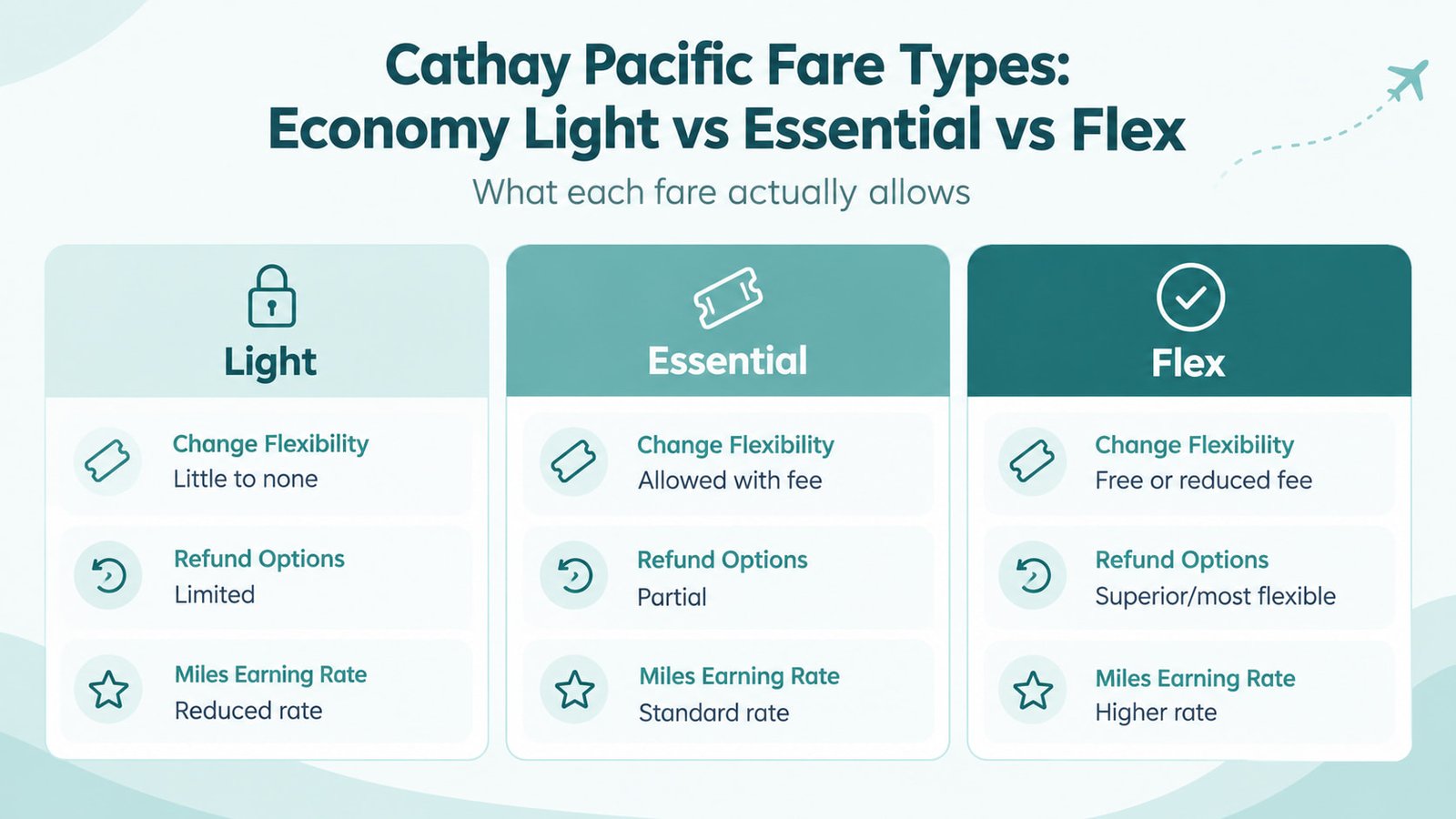
This is the part most guides get wrong, so let’s be precise. Cathay’s Economy fare structure has three tiers: Light, Essential, and Flex (not “Standard,” a name that shows up in a lot of outdated guides but isn’t what Cathay actually calls it).
Economy Light is the most restrictive: little to no change flexibility, limited refund options, and it earns Asia Miles at a reduced rate compared to the other tiers.
Economy Essential sits in the middle: changes are generally allowed for a fee, plus any fare difference, and refund options are more workable than Light, though still short of full flexibility.
Economy Flex is the most forgiving: free or reduced change fees, better refund terms, and a higher miles-earning rate.
Baggage allowance and exact fee amounts vary by route, so the specific dollar figure you’ll pay for a change is something to check at booking rather than assume from a general guide, since Cathay’s published fee schedules differ meaningfully between regions.
What’s Actually Included
Baggage: Premium Economy typically includes 2 checked bags, plus a standard carry-on and a personal item, though exact weight limits can vary by route and fare, so confirm yours at booking.
Priority service: Dedicated check-in counters at major airports (sometimes shared with Business Class at smaller stations), shorter wait times, priority boarding, and generally less crowded overhead bin space.
Dining: A noticeably wider menu than Economy, two main course options, complimentary wine, beer, and spirits, and a mid-flight snack on longer routes. Special meal requests need to go in at least 24 hours before departure.
Entertainment and amenities: Larger touchscreens with a Business Class content library, noise-cancelling headphones on most routes, power outlets and USB ports at every seat, and an amenity kit with the basics (toothbrush, eye mask, earplugs, socks) on long-haul flights.
Miles earning: Premium Economy earns Asia Miles at a meaningfully better rate than Economy, and Business Class earns more still. The exact multiplier depends on your specific fare class and route, since Cathay’s earning structure is tied to fare bucket and distance zone rather than a single flat rate across the board.
Picking Your Actual Seat
On the A350, Premium Economy runs rows 30-33. Row 30 is the bulkhead, which gives you the most legroom but means using the overhead bin for anything you want within reach during the flight. Row 33 sits furthest back and tends to be quieter.
On the 777-300ER Aria cabin, the cabin spans rows 30-35, the largest Premium Economy section Cathay flies. Row 30 again offers the most stretch-out room, useful on an overnight flight. Rows 31-33 have window seats in 2-seat pairs, a solid pick if you’re travelling with a partner and want a bit more privacy from the rest of the cabin.
Common Mistakes Worth Avoiding
Not selecting your seat at booking. Waiting means fewer options and a real chance of ending up somewhere you didn’t want.
Assuming lounge access comes with the cabin. It doesn’t. Check what’s actually included before you build your trip around an assumption.
Buying a non-refundable fare and expecting flexibility anyway. If your plans might change, either pay for a fare that allows it or seriously consider travel insurance.
Skipping the membership sign-up. It’s free, and you’re leaving miles and status benefits on the table by not joining before you fly.
Frequently Asked Questions (FAQs)
Can I book Cathay Pacific Premium Economy online?
Yes, through the website or the mobile app, both of which support the full booking process from route selection to confirmation.
Does Cathay Pacific allow upgrades to Premium Economy?
It does, though whether you can actually get one comes down to your original fare and what’s left in the cabin on your specific flight.
How early should I book Premium Economy?
Give yourself several months if you can. Waiting until closer to departure usually means worse seats and higher prices, especially on the popular long-haul routes.
Does Premium Economy include lounge access?
No. If lounge access matters to your trip, look at a Business Class upgrade or a lounge-eligible credit card instead.
What’s the actual difference between Light, Essential, and Flex fares?
Light is the most restrictive with limited changes and reduced miles earning. Essential allows changes for a fee. Flex offers the most flexibility and the best earning rate.
Final Word
Cathay Pacific’s Premium Economy earns its price tag on long-haul routes, especially on the newer Aria cabin, where the seat, screen, and dining genuinely close the gap with a much pricier ticket. Book your seat early, understand which fare tier you’re actually buying, and go in knowing lounge access isn’t part of the deal. If you’re weighing this against a Business Class upgrade instead, our Finnair Business Class upgrade guide walks through how that comparison tends to play out on long-haul flights generally.
This guide is independent travel information and isn't affiliated with or endorsed by Cathay Pacific. Policies, fees, and processing timelines can change, so always confirm the specifics of your own booking directly with the airline before making a decision.
Whether it's a cancellation, date change, name change, seat upgrade, or any other booking issue, our team can help you sort it out. Call us at +1-844-522-6968.